
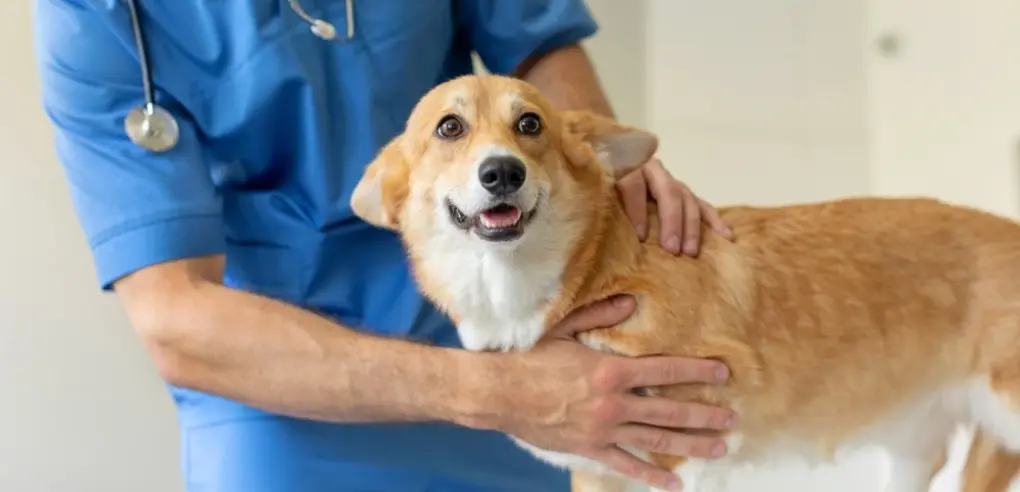
Is Spaying Safe? Regina Vet Explains
Table of contents [Show]
- Why Cat Owners Fear Spay Surgery
- What Actually Happens During Spay Surgery
- How Anesthesia Is Managed Safely
- How Long Recovery Takes
- The Real Risks of Spaying a Cat
- The Bigger Risk – Not Spaying
- Myths vs Facts About Cat Spaying
- When Is the Right Time to Spay a Cat?
- Choosing a Spay and Neuter Clinic in Regina
- Frequently Asked Questions
- Final Thoughts
You lie awake at night replaying worst-case surgery scenes in your mind. You picture your cat under anesthesia. The chest tightens. Then you scroll Reddit threads about spay complications and spiral deeper.
And the worst thought?
“What if I wait… and that delay increases her cancer risk?”
Choosing a spay and neuter clinic in Regina isn’t casual at all. This feels like life and death. And you’re right to take it seriously.
So, let’s replace fear with facts. Logic. Data. And real veterinary guidance.
We’ll walk through the real risks of spaying, what happens during surgery, the myths you’ve heard, and the bigger health risks of not spaying. By the end, you won’t feel confused. You’ll feel decision-ready.
And if you choose to move forward, our licensed team at Northgate Animal Hospital in Regina is here to support you every step.
Why Cat Owners Fear Spay Surgery
Fear usually comes from the unknown.
You don’t see what happens behind surgical doors. You don’t hear the monitors. You don’t understand the anesthesia protocol. So, your brain fills the gaps with worst-case stories.
Online forums magnify rare complications. But rare is not the same as common.
According to the American Veterinary Medical Association, spaying is one of the most routine and safe surgical procedures performed in veterinary medicine when done by trained professionals.
That doesn’t mean zero risk. No surgery is zero risk.
But it does mean the risk is low and carefully managed.
What Actually Happens During Spay Surgery
Let’s remove the mystery.
Spaying, medically called an ovariohysterectomy, removes the ovaries and uterus. This prevents pregnancy and eliminates heat cycles.
Here is what typically happens at a professional spay and neuter clinic:
1. Pre-surgical exam to confirm health.
2. Bloodwork if recommended.
3. Carefully calculated anesthesia dosage.
4. Continuous heart rate and oxygen monitoring.
5. Sterile surgical technique.
6. Internal sutures placed securely.
7. Post-operative monitoring until awake.
The surgery itself usually takes 20 to 45 minutes.
Your cat is never “left alone.” Monitoring equipment tracks breathing, oxygen, and heart rhythm continuously.
How Anesthesia Is Managed Safely
Modern veterinary anesthesia is not guesswork.
Dosages are calculated by weight and health condition. Oxygen support is provided. Vital signs are monitored the entire time.
The American Animal Hospital Association (AAHA) emphasizes continuous monitoring as a gold standard in surgical safety protocols.
This dramatically reduces risk.
How Long Recovery Takes
Most cats recover quickly.
Within 24 hours, many are alert and walking normally. Full healing usually takes 10 to 14 days.
You’ll receive aftercare instructions so you know exactly what is normal and what is not.
Let’s be honest.
Yes, there are risks. They include:
• Reaction to anesthesia
• Infection at incision site
• Bleeding
• Swelling
But complication rates are low in healthy cats.
A study published in the Journal of the American Veterinary Medical Association reported low surgical complication rates for routine sterilization procedures in companion animals.
In healthy young cats, mortality risk from spay surgery is extremely rare.
The key factor? Choosing a reputable spay and neuter clinic with proper monitoring and licensed veterinarians.
This is where most fear conversations stop too early.
The real question is not only, “Is spaying safe?”
It’s also, “What happens if I don’t?”
Mammary Cancer Risk
According to research cited by the AVMA, spaying before the first heat cycle dramatically reduces the risk of mammary tumors.
Mammary tumors in cats are malignant in approximately 85–90% of cases.
That is not a small number.
Early spaying offers strong protective benefits.
Pyometra
Pyometra is a life-threatening uterine infection.
It can develop suddenly. Treatment often requires emergency surgery, which carries far higher risk than planned spay surgery.
Emergency surgery is more stressful, more expensive, and medically riskier.
Heat Cycle Stress
Heat cycles can cause:
• Loud vocalization
• Restlessness
• Attempted escapes
• Behavioral stress
Indoor cats are not immune. Hormones don’t care about indoor status.
When you search “spaying a cat near me,” it’s often because you are already seeing these signs.
Let’s clear the noise.
Myth – Spaying makes cats lazy and overweight.
Fact – Weight gain comes from overfeeding and reduced activity, not from the surgery itself.
Myth – She should have one litter first.
Fact – There is no medical benefit to having a litter before spaying.
Myth – Indoor cats don’t need it.
Fact – Cancer and infections can occur regardless of outdoor access.
Myth – It changes personality.
Fact – It reduces hormone-driven behaviors, not your cat’s core personality.
Logic must outweigh internet folklore.
When Is the Right Time to Spay a Cat?
Most veterinarians recommend spaying around 4 to 6 months of age, often before the first heat cycle.
Earlier spaying significantly reduces mammary tumor risk.
If your cat is older, it is still beneficial in many cases. A professional exam determines suitability.
If you’re searching “cat spay and neuter near me” in Regina, timing is likely your next big question. The best answer comes from a licensed veterinarian who examines your cat directly.
Choosing a Spay and Neuter Clinic in Regina
Not all clinics are identical.
When evaluating a spay and neuter clinic, look for:
• Licensed veterinarians
• Pre-surgical exams
• Monitoring equipment during anesthesia
• Clear recovery instructions
• Transparent communication
At Northgate Animal Hospital in Regina, surgical safety protocols and monitoring standards follow established veterinary guidelines.
We don’t rush explanations. We walk you through the process calmly and clearly.
Because this decision deserves clarity, not pressure.
If you want to learn more about our surgical services, visit our Spay and Neuter page or contact our Regina team directly for a consultation.
Frequently Asked Questions
1. Is spaying safe for indoor cats?
Yes. Indoor cats still face cancer and uterine infection risks. Spaying reduces these significantly.
2. What is the mortality rate of cat spay surgery?
In healthy young cats, mortality risk is extremely low when performed by licensed veterinarians with proper monitoring.
3. Does spaying reduce cancer risk?
Yes. Early spaying greatly reduces the risk of mammary tumors and eliminates uterine infection risk.
4. How long does recovery take?
Most cats resume normal behavior within 24–48 hours. Full healing typically takes about two weeks.
5. Is it safe to spay during heat?
It can be done, but surgical complexity may increase. Your veterinarian will assess timing and risk individually.
Final Thoughts
So, is spaying safe?
In a professional, licensed spay and neuter clinic with proper monitoring and protocols, yes. It’s a routine and carefully managed procedure.
Is it risk-free? No surgery ever is.
But when you weigh the low surgical risk against the high probability of mammary cancer and the life-threatening danger of pyometra, the long-term health protection becomes clear.
Fear grows in silence. Confidence grows with data.
If you’re in Regina and still lying awake imagining worst-case scenarios, let’s replace that anxiety with a professional conversation.
At Northgate Animal Hospital, we’re here to answer your questions with logic, compassion, and evidence.
Because guessing is not enough for your cat’s health.