
When Does Your Pet Need Emergency Care Regina?
Table of contents [Show]
- What Counts as a Pet Emergency?
- 10 Warning Signs You Should Never Ignore
- Should You Wait Until Morning?
- What Should You Do Before Leaving Home?
- What Happens During an Emergency Visit?
- Can Pet Emergencies Be Prevented?
- Why Pet Owners Choose Northgate Animal Hospital
- Frequently Asked Questions
- Every Minute Matters
It's 11:42 p.m.
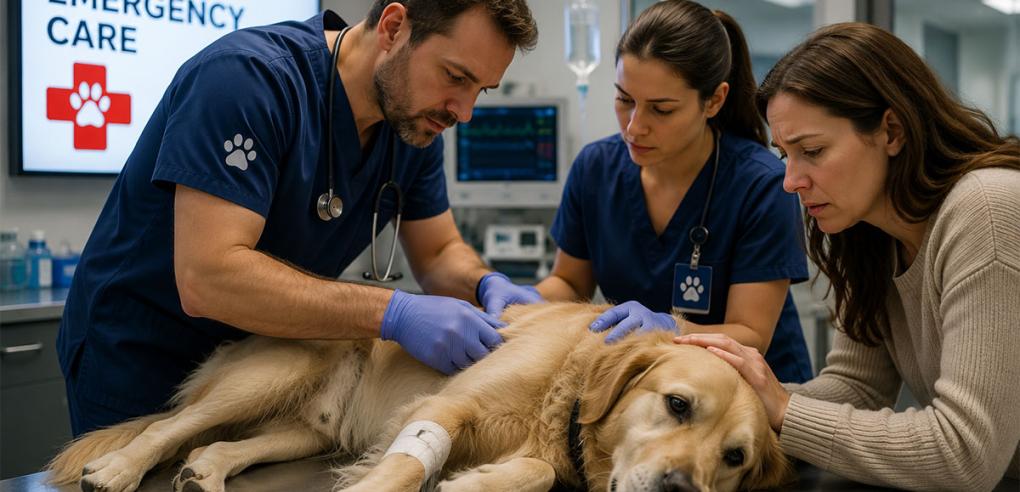
Your Golden Retriever has been acting strangely all evening. Suddenly, he starts breathing hard, refuses to stand, and looks at you with tired eyes. Your heart races as you grab your phone and search for an emergency vet in Regina. You wonder if you're overreacting—or if waiting until morning could be the biggest mistake you ever make.
If you've ever been in that position, we can feel you.
Pets can't tell us when something feels wrong. They rely on us to notice the small changes before they become life-threatening. Knowing when to seek emergency care could make all the difference.
What Counts as a Pet Emergency?
A pet emergency is any illness or injury that needs immediate veterinary attention to protect your pet's life or prevent permanent damage.
Some problems are obvious, like being hit by a car. Others are much harder to spot. A dog that keeps vomiting or a cat hiding under the bed may not seem like an emergency at first. But those signs can point to serious conditions that shouldn't wait.
When you're unsure, it's always safer to call an emergency veterinarian in Regina than to guess.
10 Warning Signs You Should Never Ignore
1. Trouble Breathing
If your pet is gasping, breathing with an open mouth, or struggling to catch its breath, don't wait. Breathing problems can become critical within minutes.
2. Repeated Vomiting or Diarrhea
One upset stomach isn't always an emergency. But repeated vomiting, severe diarrhea, or blood in either can quickly lead to dehydration or signal poisoning, internal blockage, or another serious illness.
3. Seizures
Watching your pet have a seizure is frightening. Even if it lasts a few seconds or several minutes, your pet should be examined as soon as possible, especially if it's their first seizure.
4. Poisoning
Chocolate, medications, household cleaners, grapes, xylitol, and certain plants can all be toxic to pets. If you think your pet swallowed something dangerous, seek emergency care immediately instead of waiting for symptoms to appear.
5. Heavy Bleeding
A small cut may heal with basic care. Heavy bleeding that won't stop after gentle pressure needs immediate veterinary treatment.
6. Hit by a Vehicle
Even if your dog or cat seems fine, internal injuries aren't always visible. A veterinary examination can detect hidden damage before it becomes life-threatening.
7. Collapse or Extreme Weakness
If your pet suddenly collapses, can't stand, or becomes unusually weak, don't assume they'll recover on their own. This can be a sign of shock, heart disease, severe pain, or internal bleeding.
8. Difficulty Urinating
Straining to urinate, especially in male cats, can become life-threatening within hours. Immediate treatment may save your pet's life.
9. Severe Pain
Whining, trembling, hiding, refusing to move, or reacting aggressively when touched may all point to significant pain that needs prompt attention.
10. Heatstroke
Hot summer days can quickly become dangerous. Heavy panting, drooling, vomiting, weakness, or collapse after being outside are signs your pet needs emergency care right away.
Should You Wait Until Morning?
This is the question pet owners ask themselves a lot.
Sometimes waiting is safe. Often, it isn't.
If your pet is having trouble breathing, bleeding heavily, having seizures, showing signs of poisoning, or unable to stand, every minute matters. Contact a veterinarian immediately when sudden, severe symptoms appear instead of hoping they improve on their own. Cuz, when your instincts tell you something isn't right, trust them.
What Should You Do Before Leaving Home?
Staying calm helps both you and your pet.
Before heading to an emergency animal hospital in Regina, try to:
- Keep your pet as still as possible.
- Use a carrier or secure leash.
- Bring any medications your pet takes.
- If poisoning is suspected, bring the product packaging.
- Call the clinic if it's safe to do so, so the team can prepare for your arrival.
These simple steps can save valuable time once you reach the hospital.
What Happens During an Emergency Visit?
Walking into a veterinary hospital during an emergency can feel overwhelming. Knowing what happens next can ease some of that stress.
When you arrive at Northgate Animal Hospital, the team will first assess how serious your pet's condition is. This process, called triage, identifies pets that need immediate treatment.
Your veterinarian may recommend tests such as blood work, X-rays, or ultrasound to find the cause of the problem. Once there's a diagnosis, they'll explain the treatment options, expected recovery, and answer your questions before moving forward whenever possible.
The goal isn't just to treat the emergency. It's to stabilize your pet and give them the best chance of a full recovery.
Can Pet Emergencies Be Prevented?
Not every emergency can be avoided, but many can.
Regular wellness exams help catch health problems before they become life-threatening. Keeping harmful foods, medications, and household chemicals out of reach also lowers the risk of poisoning.
Preventive care plays an important role too. Services like vaccinations, parasite prevention, dental care, and neuter and spay dogs in Regina can reduce the risk of several serious health conditions later in life.
Small steps today can prevent a frightening trip to an emergency clinic tomorrow.
Why Pet Owners Choose Northgate Animal Hospital
When every second feels important, you want a veterinary team that listens, acts quickly, and treats your pet with compassion.
At Northgate Animal Hospital, we understand that emergencies are emotional as well as medical. Our experienced team works efficiently to assess your pet, explain what's happening in plain language, and recommend the care they need without unnecessary delays.
So, if your pet has suffered an injury, sudden illness, or another urgent condition, we're committed to providing thoughtful, high-quality care when your family needs it most.
Frequently Asked Questions
1. Is vomiting always an emergency?
Not always. A single episode may not be serious, but repeated vomiting, blood, weakness, or signs of pain should be examined by a veterinarian immediately.
2. Should I call before arriving?
Yes. Calling ahead allows the veterinary team to prepare for your pet's arrival and provide instructions if needed.
3. Can I give my pet human pain medication?
No. Many human medications are toxic to dogs and cats. Only give medicine that has been prescribed by your veterinarian.
4. How do I move an injured pet safely?
Keep movement to a minimum. Use a blanket as a stretcher for larger pets if necessary, and place smaller pets in a secure carrier during transport.
5. Can cats hide signs of illness?
Yes. Cats often mask pain and illness until they're seriously sick. Changes in eating, breathing, movement, or behavior should never be ignored.
Every Minute Matters
No pet owner wants to face an emergency, but knowing when to act can make all the difference.
If your dog or cat suddenly struggles to breathe, collapses, has a seizure, or shows any other serious warning sign, don't spend valuable time wondering what to do next. Seek help from an emergency vet in Regina as soon as possible.
At Northgate Animal Hospital, we're here to provide compassionate care, clear guidance, and prompt treatment when your pet needs it most. When something doesn't feel right, trust your instincts. Because acting early could save your pet's life.